


Every business wants to grow faster. Companies want better digital products, lower development costs, and skilled developers who can build strong software. But hiring and managing a big in-house tech team can be costly and difficult. Companies have to pay salaries, provide office space, arrange training, and make long-term job commitments. All these things increase expenses very quickly. Because of this, many businesses are choosing offshore software development as a smarter option.
According to Deloitte’s Global Outsourcing Survey, about 70% of companies outsource mainly to reduce costs. Many businesses also outsource to improve service quality and focus more on their main business activities.
This shows that outsourcing is not only about saving money. It is also about working in a better and faster way.
What Is Offshore Software Development?
Offshore software development means working with a software development company in another country to build or manage your software projects. The development team works from a different country, but they follow your instructions, plans, and deadlines.
Many businesses choose countries where talented developers are available at affordable rates. This helps companies get good-quality work without spending too much money.
Instead of hiring local full-time developers, companies work with a team that takes care of planning, design, coding, testing, and maintenance.
This makes things easier for business owners. They can focus on growing their company, improving products, and helping customers, while skilled developers handle the technical work.
Today, startups, small businesses, and large companies all use offshore development to stay competitive and move faster in the digital world.
What Is the Offshore Software Development Process?
The offshore software development process follows a simple but structured approach. A clear process makes communication easier and reduces confusion.

- Requirement Understanding: First, the business clearly explains what they need. This includes project goals, features, timeline, and budget. Clear communication at this stage prevents problems later.
- Team Selection: Next, the company selects the right development team. The team should have the right technical skills and relevant experience.
- Planning and Communication Setup: Then, both sides agree on timelines, milestones, communication tools, and reporting methods. Regular meetings are scheduled to track progress.
- Development and Testing: The offshore team builds the software step by step. They also test the product carefully to make sure everything works properly.
- Deployment and Ongoing Support: After the product goes live, the offshore software development services provider may continue offering support, updates, and improvements.
Many teams use agile methodology in software development. This means work is done in small stages, feedback is shared regularly, and changes can be made easily when needed.
What Are the Key Trends in Offshore Software Development in 2026?
Offshore development is improving every year. In 2026, several important trends are shaping the industry.
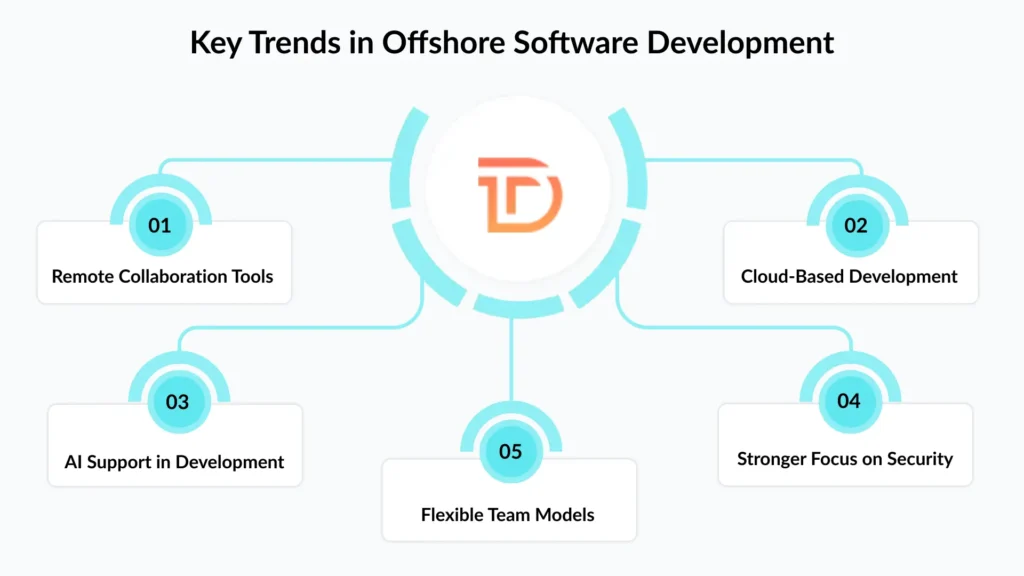
- Remote Collaboration Tools: Modern communication tools make it easy to work across different time zones. Video calls, shared dashboards, and project management platforms keep everyone connected.
- Cloud-Based Development: Cloud platforms allow faster development and easy scaling. Companies no longer need heavy infrastructure to build powerful software.
- AI Support in Development: Artificial intelligence tools help developers detect errors early and improve coding speed. This makes development more efficient.
- Stronger Focus on Security: Businesses now pay more attention to data protection. Clear agreements and secure coding practices are becoming standard.
- Flexible Team Models: Some companies combine offshore, nearshore, and local teams to balance cost and communication.
These trends show that offshore development is becoming more organized, secure, and quality-focused.
What Are the Benefits of Offshore Software Development?
The Benefits of Offshore Software Development go beyond saving money. There are many practical advantages.
- Lower Development Costs: Companies can reduce custom software development cost by working with offshore teams instead of maintaining a large in-house staff.
- Access to Skilled Developers: Businesses can work with experts who specialize in web development, mobile apps, cloud systems, and more.
- Faster Project Completion: Because teams may work in different time zones, development can continue even after local office hours.
- Scalability: Companies can quickly increase or reduce their team depending on project size.
- More Focus on Business Growth: Internal teams can focus on marketing, strategy, and customer support while offshore developers handle technical tasks.
These benefits make offshore development attractive for businesses that want consistent and smart growth.
What Are the Differences Between Offshore, Nearshore, Onshore, and Hybrid Models?
Understanding the Differences Between Offshore, Nearshore, Onshore, and Hybrid models helps companies choose wisely.
| Model | Location | Cost | Communication | Best For |
|---|---|---|---|---|
| Offshore | Far country | Lower | Time difference | Cost savings and global talent |
| Nearshore | Nearby country | Moderate | Similar time zone | Easier communication |
| Onshore | Same country | Higher | Very easy | Full local control |
| Hybrid | Mix of teams | Balanced | Flexible | Cost and control balance |
Offshore focuses on cost efficiency. Nearshore offers easier communication. Onshore provides local control. Hybrid combines the strengths of different models.
The right choice depends on business goals and comfort level.
How Do You Build a Reliable Offshore Software Development Team?
Building a reliable offshore software development team starts with careful planning.
- First, clearly explain your project needs. When expectations are clear, results are better.
- Second, choose a trustworthy software development company. Check past work, client feedback, and technical skills.
- Third, create clear agreements that define roles, timelines, and security measures.
- Fourth, maintain regular communication. Weekly updates and clear reporting help avoid surprises.
When businesses treat offshore teams as long-term partners instead of just vendors, collaboration becomes smoother and more productive.
What Challenges Can Businesses Face in Offshore Software Development?
Like any business model, offshore development may come with some challenges.
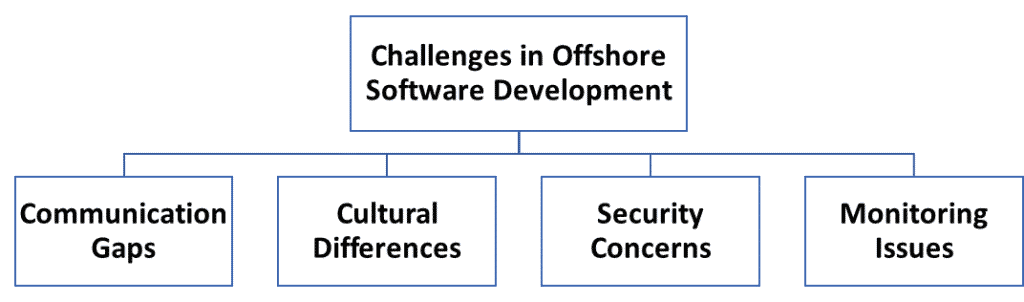
Common Challenges in Offshore Software Development
- Communication Gaps: Different time zones or language differences may sometimes create misunderstandings.
- Cultural Differences: Work styles may vary, which can affect expectations.
- Security Concerns: Businesses must ensure proper contracts and secure systems are in place.
- Monitoring Issues: Without proper tracking tools, project progress may slow down.
However, these challenges can be handled with good planning, clear communication, and strong partnership.
What Are the Best Practices for Offshore Software Development in 2026?
To make offshore development successful, companies should follow simple best practices.
- Choose Experienced Partners: Work with teams that have real experience and strong technical knowledge.
- Use Agile Workflows: Agile methodology in software development allows flexibility and continuous improvement.
- Set Clear Goals: Define project milestones clearly from the beginning.
- Focus on Security: Protect data with clear agreements and safe development practices.
- Communicate Regularly: Stay connected through weekly meetings and progress updates.
Simple steps like these can make a big difference.
Why Is Offshore Software Development a Smart Strategy in 2026?
In 2026, businesses need to move quickly. Markets change fast, customer expectations grow, and digital competition increases. It allows companies to stay flexible. They can access global talent, reduce operational costs, and launch products faster. With proper planning and structured offshore software development services, companies can build reliable and scalable solutions without heavy investment. When managed well, offshore development becomes a long-term growth strategy.
Conclusion
It helps businesses grow in a simple way because it saves money, gives access to skilled developers, and allows flexible team support. When companies understand the offshore software development process and work with a strong team, they can avoid common problems and get better results.
In 2026, choosing the right partner is very important, so working with Dreamer Technoland for offshore software development services can be a smart step. The team focuses on clear communication, good quality, and data safety, which helps businesses build reliable software and grow steadily.
FAQs
Q. What is offshore software development?
A. It means hiring a development team in another country to build and manage your software projects remotely.
Q. Is offshore software development cost-effective?
A. Yes, it often lowers custom software development cost while providing access to skilled developers.
Q. How do companies manage offshore teams effectively?
A. They use regular meetings, project tracking tools, and clear communication systems.
Q. What industries use offshore software development services?
A. Healthcare, finance, retail, logistics, education, and many other industries use it.
Q. How can businesses reduce risks in offshore development?
A. They can reduce risks by choosing experienced partners, setting clear goals, and maintaining regular communication.
Q. Why choose Dreamer Technoland for offshore software development services?
A. Dreamer Technoland offers experienced developers, clear processes, and strong communication to deliver reliable software solutions.
Q. How does Dreamer Technoland ensure quality in offshore projects?
A. The company uses structured planning, regular updates, secure development practices, and client feedback to ensure quality results.