


As transportation and logistics businesses continue to expand, companies are relying more on digital tools to manage their vehicles efficiently. Whether it is delivery vans, logistics trucks, or service vehicles, managing a fleet without proper software has become difficult. Because of this shift, many businesses are now investing in fleet management platforms.
However, one question comes up again and again: how much does it cost to build a fleet management software, and what really affects the fleet management development cost in 2026? Understanding the fleet management development cost is important before starting any project. Businesses must consider development expenses, fleet management fees, hardware integrations, and long-term maintenance costs. At the same time, companies want systems that improve efficiency and reduce operational expenses.
According to MarketsandMarkets, the global fleet management market is expected to reach USD 52.4 billion by 2030, which clearly shows how important fleet technology has become for modern logistics operations.
What Is Fleet Management and What Is Fleet Systems Famous For?
Fleet management simply means managing a group of vehicles used for business operations. These vehicles may include trucks, taxis, buses, delivery vans, or service vehicles. The goal is to monitor vehicles, control operational costs, and ensure smooth daily operations.
Fleet systems became famous because they help companies manage large numbers of vehicles in an organized way. Instead of tracking everything manually, businesses can use software to see vehicle locations, driver behavior, fuel usage, and maintenance schedules in one dashboard. As a result, managers can make faster decisions and avoid costly delays.
For example, a delivery company can quickly see where every vehicle is located and whether a route is causing delays. This level of visibility helps businesses improve productivity while reducing operational risks.
Modern fleet systems are widely known for providing the following capabilities:
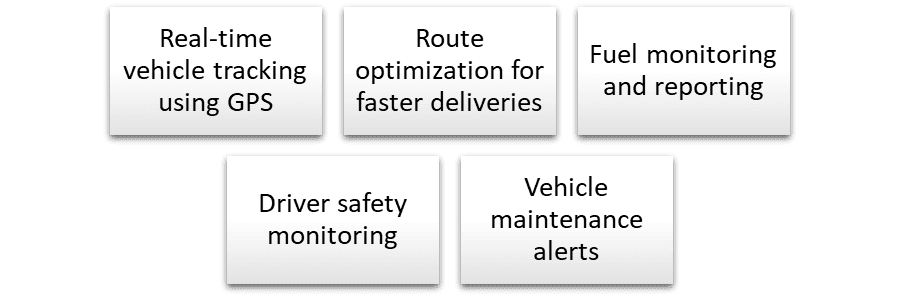
These features help companies improve productivity while reducing unnecessary operational costs.
Why Are Businesses Investing in Fleet Management Software in 2026?
Businesses today face many challenges such as rising fuel prices, delivery pressure, and driver safety concerns. Because of these issues, companies are looking for smarter ways to manage their fleets. Fleet management software provides a practical solution.
First, it allows companies to monitor vehicles in real time. Second, it helps optimize routes so drivers can reach destinations faster. In addition, modern platforms use telematics in modern fleet management, which collects vehicle data such as speed, fuel usage, and engine performance.
As a result, businesses can identify problems early and prevent costly breakdowns. This is why many companies are now choosing custom fleet management software development instead of relying on generic tools.
How Much Does It Cost to Build a Fleet Management Software?
One of the most common questions businesses ask is: How much does it cost to build a fleet management software?
The answer depends on several factors. However, most businesses want at least a rough estimate before starting development. The fleet management software price mainly depends on software complexity, features, integrations, and scalability.
The table below shows a general estimate of software development costs.
| Software Type | Key Features | Estimated Cost | Timeline |
|---|---|---|---|
| Basic Fleet Tracking | GPS, ELD Compliance, Simple Reporting | $20,000 – $40,000 | 3–4 Months |
| Standard Fleet System | Route Optimization, Fuel Tracking, Driver Scorecards | $40,000 – $90,000 | 5–8 Months |
| Advanced Enterprise | AI-Predictive Maintenance, IoT Sensors, ERP Integration | $90,000 – $250,000+ | 9–14 Months |
A basic system may include GPS tracking, simple reporting, and vehicle monitoring. On the other hand, an advanced system may include AI-based route optimization, predictive maintenance alerts, driver behavior analytics, and telematics integration. Therefore, the final cost depends on how advanced the system needs to be.
What Factors Affect Fleet Management Development Cost?
The total fleet management development cost is influenced by several important factors. Understanding these factors helps businesses estimate their budget more accurately.
Factors That Influence Development Cost
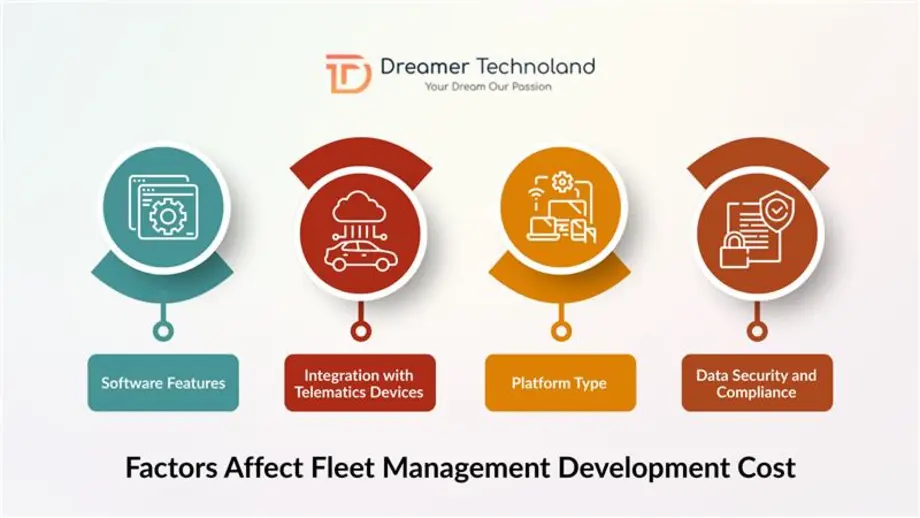
- Software Features: The number of features has a direct impact on development time. For instance, adding driver monitoring, route optimization, fuel tracking, and maintenance alerts increases system complexity.
- Integration with Telematics Devices: Many modern fleets rely on sensors and GPS devices installed in vehicles. Integrating these devices into software requires additional development work.
- Platform Type: Some companies want only a web dashboard, while others need both mobile and web applications. Building multiple platforms increases development time.
- Data Security and Compliance: Transportation companies often handle sensitive operational data. Because of this, strong security systems and compliance standards must be implemented.
What Are the 7 Types of Cost in Fleet Operations?
To understand the value of fleet software, businesses should also understand fleet expenses. In most cases, fleet operations involve several different cost categories.
Below are the 7 types of cost commonly associated with fleet operations.
| Cost Type | Description |
|---|---|
| Vehicle Purchase Cost | Cost of buying or leasing vehicles |
| Fuel Cost | Expenses related to fuel consumption |
| Driver Salary | Payments for drivers and operators |
| Maintenance Cost | Repairs and regular servicing |
| Insurance Cost | Vehicle insurance and risk coverage |
| Technology Cost | Software systems and tracking tools |
| Administrative Cost | Office management and operational expenses |
Fleet management software helps track these expenses and improve cost control.
What Are Two Major Costs for Fleet Operators?
Although fleets have many expenses, two major costs usually take the largest portion of the budget.
Fuel Costs
Fuel is often the biggest expense for fleet operators. Inefficient driving behavior or poor route planning can increase fuel consumption significantly.
Maintenance Costs
Vehicle maintenance is another major cost. Unexpected breakdowns can cause delays, repairs, and operational disruptions.
Fleet software helps reduce these costs by tracking fuel usage and scheduling preventive maintenance.
What Are Fleet Management Fees?
In addition to development costs, companies should also consider fleet management fees. These are the costs associated with operating fleet software and related services.
Fleet management fees may include subscription charges for software platforms, GPS tracking service fees, telematics hardware installation costs, and ongoing system maintenance.
Many providers offer flexible pricing models based on the number of vehicles being managed. As a result, companies can scale their systems as their fleet grows.
What Are the 5 Pillars of Fleet Management?
Successful fleet operations depend on several key principles. These principles are often called the five pillars of fleet management.
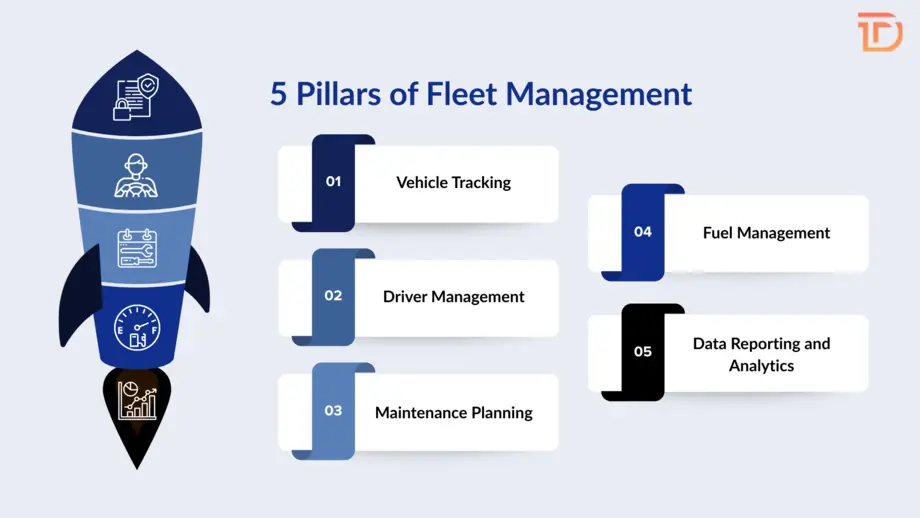
- Vehicle Tracking GPS tracking helps monitor vehicle location in real time.
- Driver Management Monitoring driver behavior improves safety and reduces accidents.
- Maintenance Planning Scheduled servicing prevents unexpected breakdowns.
- Fuel Management Monitoring fuel usage helps reduce unnecessary fuel expenses.
- Data Reporting and Analytics Reports help managers make better operational decisions.
When these pillars work together, fleet operations become more efficient and easier to manage.
How to Improve Fleet Management?
Improving fleet management becomes easier when businesses use the right tools and follow simple management practices. With better monitoring and planning, companies can run their vehicles more smoothly and reduce unnecessary problems.
- Use GPS Tracking: Companies should use GPS tracking to see where their vehiclesare at all times. This helps managers track routes, avoid delays, and respond quickly if any issue happens.
- Train Drivers Regularly: Drivers should receive regulartraining, so they follow safe driving practices. Good driving habits reduce accidents and also help save fuel.
- Use Route Planning Tools: Route planning toolshelp drivers choose the best and shortest routes. This saves time, reduces traffic delays, and lowers fuel usage.
- MaintainVehicles on Time: Regular vehicle servicing helps prevent sudden breakdowns. Maintenance reminders can help ensure vehicles are checked and repaired when needed.
- Use Data Reports for Better Decisions: Fleet software provides reports about vehicles, drivers, and fuel usage. These reports help managers understand problems and improve daily operations.
Because of these steps, companies can manage their fleets more efficiently and reduce operational problems.
How to Reduce Fleet Costs?
Reducing fleet expenses is one of the biggest goals for fleet operators. Fleet management software helps businesses identify areas where costs can be reduced. Fortunately, there are several ways to lower operational costs.
Businesses can reduce fleet costs by improving route planning, monitoring fuel consumption, and encouraging safe driving behavior.
In addition, predictive maintenance helps identify potential mechanical problems before they become expensive repairs. Over time, these improvements lead to significant savings.
How to Start a Fleet Business?
Starting a fleet business requires careful planning and clear steps. Businesses need to decide the type of service they want to provide, arrange vehicles and drivers, and set up systems to manage daily operations smoothly.
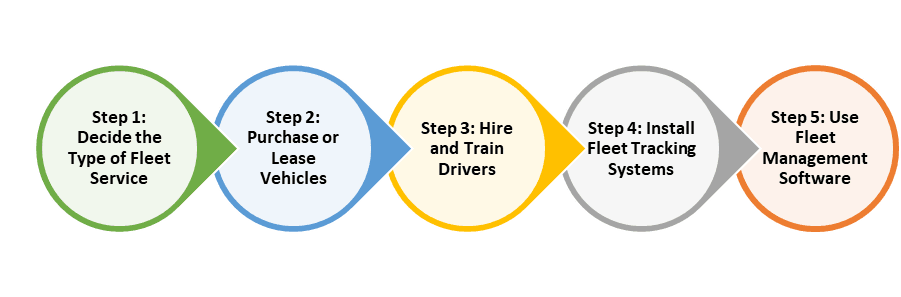
- Decide the Type of Fleet Service: First, entrepreneurs mustdecide the type of fleet service they want to offer. For example, they may focus on logistics, delivery services, ride-sharing, or equipment transportation.
- Purchase or Lease Vehicles: Next, vehicles must bepurchased or leased based on the type of service the business plans to provide.
- Hire and Train Drivers: Driversneed to be hired and properly trained according to transportation regulations and safety requirements.
- Install Fleet Tracking Systems: Finally, fleet tracking systems should be installed so vehicle locations and operations can bemonitored effectively.
- Use Fleet Management Software: Using fleet management software from the beginning helps businesses manage operations better and support business growth more efficiently.
Many companies choose custom fleet management software development service to build systems that match their business needs. Technology partners like Dreamer Technoland help businesses develop fleet software with features such as vehicle tracking, route monitoring, and fleet data management.
Businesses can connect with their team through the company website to discuss their project requirements and explore suitable solutions. It’s always the best idea to get your task done by professionals because they know what they’re doing!
How Much Does a WMS License Cost?
Some logistics companies also use Warehouse Management Systems along with fleet management software. These systems help manage inventory and warehouse operations.
The cost of a WMS license depends on the software provider and system features.
| WMS Type | Estimated Cost |
|---|---|
| Basic WMS License | $5,000 – $25,000 |
| Enterprise WMS Solution | $25,000 – $100,000+ |
However, not every fleet operation requires a WMS system. Many businesses focus primarily on fleet management platforms.
Conclusion
Fleet technology is becoming very important for transportation and logistics businesses because it helps companies manage vehicles more efficiently. By understanding the fleet management development cost, businesses can plan their investment better and choose the right solution for their needs. Fleet management software helps track vehicles, reduce fuel usage, and manage maintenance more effectively.
Because of this, many companies now prefer custom fleet management software development to build systems that match their operations. With the support of a reliable technology partner like Dreamer Technoland, businesses can build scalable fleet solutions that improve efficiency and support long-term growth.
FAQs
Q. What is fleet management software used for?
A. Fleet management software helps businesses track vehicles, monitor drivers, manage maintenance schedules, and improve operational efficiency.
Q. How much does it cost to build fleet management software?
A. The fleet management development cost typically ranges between $20,000 and $200,000 depending on features and complexity.
Q. What are the biggest costs for fleet operators?
A. Fuel expenses and vehicle maintenance costs are usually the two largest operational costs.
Q. Why is telematics important in fleet management?
A. Telematics helps collect real-time vehicle data, which improves tracking, safety monitoring, and decision-making.
Q. Is custom fleet management software better than ready-made systems?
A. Custom fleet management software development allows businesses to build solutions to their operational needs and workflows.
Q. How Does Edge AI Technology Improve Fleet Management?
A. Edge AI technology in fleet management means using artificial intelligence directly on devices such as vehicle sensors, GPS trackers, cameras, and onboard systems.