


Starting a business today almost always means building something digital. For many startups, that “something” is a web application. It could be a SaaS tool, a marketplace, or even a simple platform that solves a daily problem. At first, the idea sounds exciting. But very quickly, one question starts bothering most founders: how much will it actually cost?
The truth is, web app cost is not a fixed number. It changes based on what you build, how you build it, and who builds it. According to Statista, global spending on enterprise software is expected to cross $1 trillion, which shows how serious businesses are about investing in digital products. So instead of guessing, it is better to understand the cost step by step in a practical way.
What Are the Key Factors That Affect Web App Development Cost?
When you start planning your app, cost depends on several things working together. Understanding the Key Factors That Affect Web App Development Cost helps you avoid surprises later.
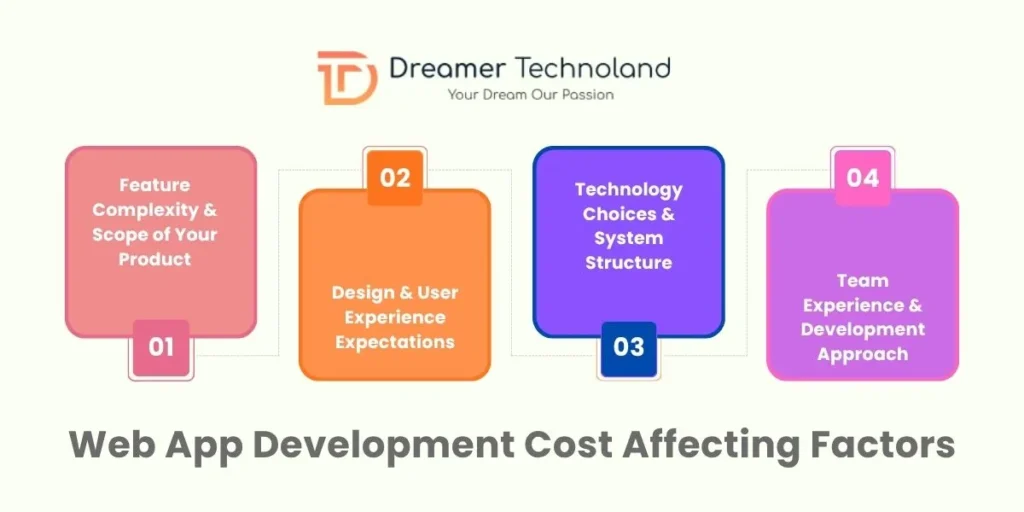
- Feature Complexity & Scope of Your Product
A simple app with login and dashboard will cost much less than a platform with payments, automation, and real-time updates.
As you add more features, development takes longer, which naturally increases cost and effort. - Design & User Experience Expectations
A basic design may work in the beginning, but users today expect smooth and attractive interfaces.
Better design takes more time and testing, which adds to the cost but improves user retention. - Technology Choices & System Structure
Choosing a strong and scalable system may cost more at first, but it prevents future problems.
On the other hand, a weak setup may look cheaper initially but becomes expensive when you need to fix or scale it. - Team Experience & Development Approach
Skilled developers usually charge more, but they finish work faster and with fewer mistakes.
Inexperienced teams may increase total cost because of delays, bugs, and repeated work.
How Do Cost Differences by Region Influence Startup Decisions?
The Cost differences by region can change your entire budget, and this is often one of the first decisions startups make.
| Region | Hourly Rate | What It Means |
|---|---|---|
| USA | $80 to $150 | High cost with strong expertise |
| Australia | $50 to $120 | Balanced cost and quality |
| India | $20 to $50 | Affordable with a large talent pool |
Many startups go for offshore development to save money. However, focusing only on low cost can create issues like communication gaps or quality problems.In most cases, choosing a team that offers a balance of cost and experience gives better long-term results.
What Is the Estimated Cost Range for Startups at Different Stages?
When founders ask about cost, what they really want is a clear range. The Estimated Cost Range for Startups depends on how big and complex your idea is.
| Stage | Cost Range | What You Get |
|---|---|---|
| MVP | $10,000 to $25,000 | Basic version to test idea |
| Growing Product | $25,000 to $60,000 | Better design and more features |
| Full Platform | $60,000 to $120,000+ | Advanced system with integrations |
Many successful startups begin with a small MVP. This helps them test whether users actually want the product before spending more money.Once they get feedback, they slowly improve the product instead of building everything at once.
What Hidden Costs Do Startups Often Miss in Web App Development?
This is where many founders get surprised. The Hidden Costs Startups Should Consider are often ignored in the beginning but become important later.
- Maintenance & Updates After Launch
Your app will need regular fixes, updates, and improvements to stay useful.
This usually costs around 15 to 20 percent of the original development cost every year. - Hosting & Infrastructure Expenses
Your app needs servers, databases, and cloud services to run properly.
As more users join, these costs increase, so they must be planned early. - Third-party Services & Tools
Payment systems, APIs, and analytics tools often come with ongoing fees.
These costs grow over time and should not be ignored while budgeting. - Post-launch improvements and scaling
Once users start using your app, you will need to improve features and performance.
This ongoing work is necessary for growth and adds to overall cost.
How to Reduce Web App Development Cost Without Compromising Quality?
Every startup wants to save money, but doing it the wrong way can create bigger problems later. Understanding How to Reduce Web App Development Cost helps you take a smarter approach.
- Step 1: Start with a Simple Version of Your Idea
Instead of building everything at once, focus on the most important features first.
This helps you test your idea quickly and avoid wasting money on unused features. - Step 2: Plan Everything Clearly before Starting Development
When plans are unclear, changes happen during development, which increases cost.
A clear roadmap keeps the project smooth and avoids delays. - Step 3: Use Existing tools Instead of Building Everything from Scratch
Many frameworks and tools can speed up development and reduce effort.
This saves both time and money without affecting quality. - Step 4: Work with the Right Development Team
An experienced team can guide you properly and avoid common mistakes.
This often reduces overall cost even if the initial price seems higher.
How Does Web App vs Mobile App Cost Comparison Help in Planning?
The Web app vs mobile app development cost Comparison helps startups decide where to begin.Web apps are usually more affordable because they run on browsers and work across devices. You build one system that works everywhere.
On the other hand, mobile app development often requires separate work for platforms like Android app development and ios app development, which increases cost. That is why many startups begin with Web App Development. Once they grow, they expand to mobile apps for better user experience.
What Does a Real Startup Web App Cost Look Like in Practice?
At this point, you might be wondering how all of this comes together in real life. Let’s look at a simple example. Imagine a startup building a SaaS dashboard for managing customer data. The first version may include login, dashboard, and basic analytics. This kind of MVP can cost around $15,000 to $25,000.
Now, if the same startup adds features like payment systems, automation, and integrations, the cost can grow to $40,000 or more. If they later scale it for thousands of users with advanced analytics, the cost can cross $80,000. This shows that cost is not fixed. It grows with your product and your goals.
Should Startups Build In-House or Outsource Development?
This is a common question many founders ask. Deciding between in-house and outsourcing affects both cost and control. Building an in-house team gives you full control over development. However, it is expensive because you need to hire developers, designers, and managers.
Outsourcing, on the other hand, is more flexible and often more affordable. You can work with experts without hiring a full team. For most startups, outsourcing is a better option in the early stages because it reduces cost and speeds up development.
How Do Cost, Speed, and Quality Balance Each Other?
One important thing to understand is that you cannot have everything at once. Cost, speed, and quality are always connected. If you want a very low-cost solution, you may have to compromise on speed or quality. If you want fast delivery, you may need to spend more.
The best way is to find a balance. Focus on building a good-quality product within a reasonable budget and timeline.
What Are the Most Important Tips for Startups Before Starting Development?
Before you begin, following the right Tips for Startups Before Starting Development can save a lot of trouble later.
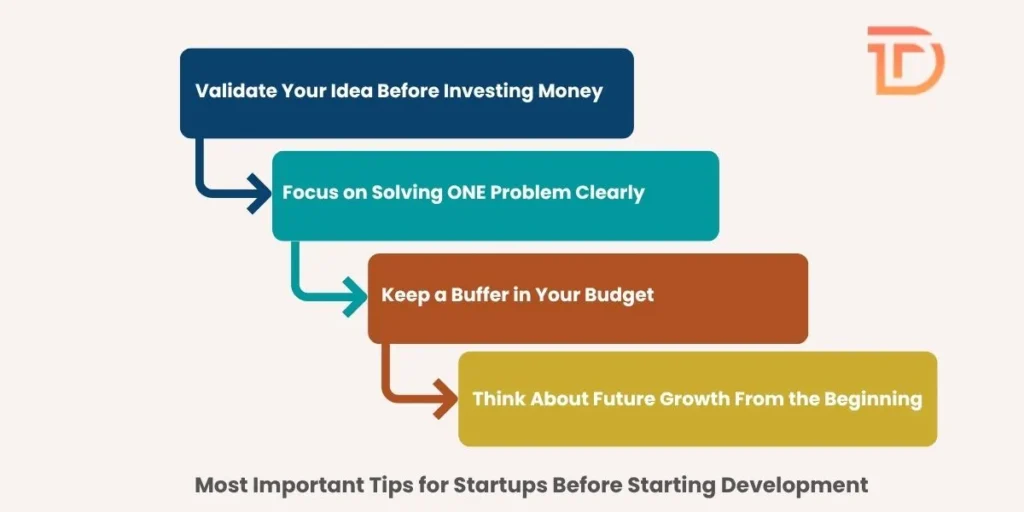
- Validate Your Idea Before Investing Money
Talk to real users and understand their problems before building your app.
This ensures you are solving something that people actually need. - Focus on Solving one Problem Clearly
Trying to build too many features at once makes the app complex and expensive.
A simple and focused product is easier to build and improve. - Keep a Buffer in Your Budget
Unexpected costs are common in development, especially during scaling.
Having extra budget helps you handle these situations without stress. - Think About Future Growth from the Beginning
Even if your app starts small, it should be able to grow.
This avoids rebuilding everything later, which can be costly.
How Can Dreamer Technoland Help You Build a Cost-Effective Web App?
Building a web app is not just about writing code. It is about making smart decisions so that cost, quality, and growth stay balanced.Dreamer Technoland helps startups by focusing on the right priorities from the beginning.
- They help You Decide what to Build First
Instead of adding too many features, they guide you to focus on what really matters.
This helps you launch faster and avoid unnecessary costs. - They use Practical & Efficient Development Methods
The right tools and approach reduce development time and complexity.
This makes the entire process smoother and more affordable. - They Build Apps that can Grow with Your Business
Your system is designed to handle more users and features over time.
This reduces future development costs and technical issues. - They Support You Even After the App is Launched
Regular updates and improvements keep your app useful and competitive.
This helps your startup grow without technical limitations.
Conclusion
At first, web app cost may feel confusing. But once you understand what goes into it, planning becomes much easier. From the Key Factors That Affect Web App Development Cost to hidden expenses and real-world examples, every part plays an important role. Startups that take a smart approach, start small, and focus on real user needs are more likely to succeed. In the end, your web app is not just a cost. It is the foundation of your business growth.
FAQs
Q. How much does it cost to build a web app?
A. It can range from $10,000 to over $100,000 depending on features and complexity.
Q. What is the best way to reduce development cost?
A. Starting with an MVP and planning clearly helps reduce unnecessary expenses.
Q. Is a web app cheaper than a mobile app?
A. Yes, web apps are generally more cost-effective because they work across devices.
Q. What are the hidden costs in development?
A. Maintenance, hosting, integrations, and scaling are common hidden costs.
Q. Shouldstartupsoutsource development?
A. Yes, outsourcing is often more affordable and flexible for early-stage startups.