
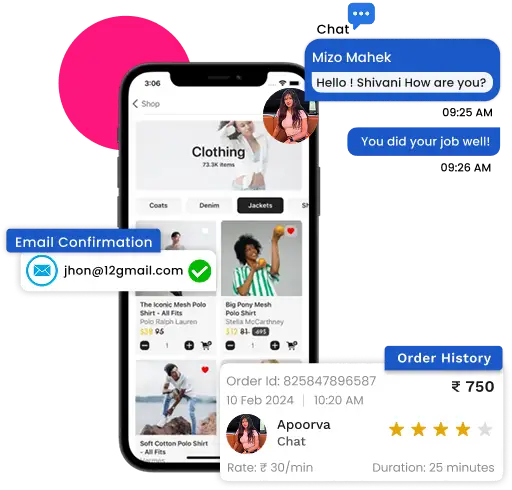

When a patient needs care, “I’ll call tomorrow” should not be the easiest option. Yet clunky booking systems, unavailable time slots, missed reminders, and long phone queues still create friction for patients and staff. However, healthcare appointment scheduling software changes that. It lets patients find a provider, see availability, book or reschedule visits, receive reminders, and complete pre-visit steps. For clinics and hospitals, it can reduce administrative work and make schedules easier to manage.
But how to build a healthcare scheduling app that is more than a digital calendar? It must connect with clinical systems, protect sensitive information, support multiple providers and locations, and remain simple enough for everyday use. In this guide, we break down the features, development process, timelines, and healthcare app development cost so you can plan your product with fewer surprises. Architecture matters as much as the booking screen for healthcare teams and their patients alike.
Brief on How to Build a Healthcare Scheduling App
- The core goal of healthcare scheduling app development is faster, easier patient-provider scheduling
- Typical cost is $15,000–$35,000 for basic, $35,000–$80,000 for intermediate apps, and $80,000–$150,000+ for advanced apps.
- Timeline is roughly 3–9+ months, depending on scope
- Must-have features are booking, availability, reminders, integrations, security
- Biggest cost drivers are complexity, integrations, compliance, platform, backend
For secure handling of electronic protected health information, review the current HIPAA Security Rule guidance. HHS says covered entities and business associates must use appropriate administrative, physical, and technical safeguards for ePHI.
Market Overview
As the healthcare industry advances by adopting digital solutions, the demand for a robust doctor appointment scheduling app is growing rapidly. As per the latest report from Grand View Research, the global healthcare providers’ scheduling apps market size is predicted to grow at a compound annual growth rate (CAGR) of 14.1% from 2025 to 2033. Hence, for businesses and healthcare providers still relying on spreadsheets or phone-only booking, this is the perfect moment to move and grab this market opportunity.
What is a Healthcare Scheduling App?
A healthcare scheduling app is a digital platform that lets patients book, reschedule, or cancel appointments with doctors, clinics, or hospitals, as per their convenience. On the backend, it syncs with staff calendars, electronic health records, and billing systems, so every booking updates in real time across the organization. For providers, it replaces manual diaries with an automated, error-resistant system. For patients, it turns a frustrating call into a two-minute task.
Why Build a Healthcare Scheduling App Now
Healthcare is one of the last major consumer categories still running on phone tag. Patients book flights, dinner reservations, and haircuts from their phones, then call a front desk and wait on hold to see a doctor. That gap is exactly why healthcare scheduling app development has become one of the more defensible bets in health tech right now.
Here are the top reasons why you should invest in it:
High Market Demand
The global medical scheduling software market is growing at an astonishing pace, as discussed above. This isn’t speculative growth; it’s a direct response to patients who expect to self-serve and staff who are buried in manual booking work.
Front-desk Labor Costs Add Up Fast
A team handling bookings by phone spends real hours per appointment: confirming, rescheduling, and chasing no-shows. A patient scheduling app collapses that into a few taps without adding headcount, which is the pitch clinics actually respond to, not vague “digital transformation” language.
Changed Patient Expectations
Anyone who’s used a doctor appointment scheduling app in the last two years knows the old friction: hold music, callback windows, zero visibility into real-time availability. A well-built doctor appointment app removes all three, and adoption tends to stick once the first booking goes smoothly.
Essential Features of a Top-notch Doctor Appointment Scheduling App
For businesses thinking about how to build a healthcare scheduling app, it’s vital to understand features and functionalities that make the app successful. So, here is the list:
- Appointment Scheduling
Core booking, rescheduling, and cancellation flow for patients and staff.
- EHR/EMR Integrations
Syncs patient history and visit notes; see how EHR software systems work with scheduling data
- Automated Reminders
SMS, email, and push alerts that cut no-shows
- Notifications
Real-time updates on confirmations, delays, and cancellations
- Real-time Availability
Live calendar sync across doctors and locations.
- Mult-location
Manage bookings across multiple clinics or branches from one dashboard
- Resource Management
Tracks rooms, equipment, and staff availability alongside appointments
- Digital Intake
Patients fill forms and consent digitally before the visit
- Telemedicine Integrations
One-tap video consult links tied to the booking
- AI-Powered Scheduling
Smart slot suggestions, waitlist automation, predictive no-show scoring
- Online Payment Integration
Support consultation fees, deposits, invoices, and receipts.
- Reporting & Analytics
Track utilization, cancellations, no-shows, and booking trends.
- Patient Portal
Give users access to appointments, forms, records, and preferences.
- Multi-language Support
Widens access across diverse patient populations
- Custom Booking Forms
Capture specialty-specific information during scheduling.
- Secure Messaging
Support patient-provider communication with appropriate access controls.
How to Build a Healthcare Scheduling App: Step-by-Step Process
To build a healthcare scheduling app, start with the workflow like this:
- Requirement Analysis
Map patient, provider, and admin workflows before writing code. Define compliance needs (HIPAA, GDPR) and appointment types early; retrofitting them later costs far more.
- Pick The Right Tech Stack
- UX/UI Design
Design separately for patients, doctors, and admin staff. Booking should take under three minutes for patients; provider dashboards need to handle complex logic without adding friction.
- Backend Integration
Connect EHR, payment gateways, and telehealth APIs through HL7 FHIR standards. This is usually the most time-consuming phase, so plan for real integration testing, not a quick API handshake.
- Ensure Security and Compliance
Build encryption, consent flows, and audit trails into the architecture from day one. Every PHI access gets logged, and every vendor touching patient data needs a signed BAA.
- Quality Assurance
Test across devices, load conditions, and edge cases like double-booking or overlapping time zones, with real patients and providers involved.
- Launch and Post-Launch Support
Monitor performance, reminder delivery, and EHR sync rates after go-live. Teams offering custom mobile application development services typically ship fixes every two to three weeks based on real usage data.
Choose frameworks that scale and integrate cleanly with EHR systems: React Native or Flutter for cross-platform mobile, Node.js or Django for backend logic, and PostgreSQL for transactional data.
Tech Stack for a Healthcare Scheduling App
Picking the right tech stack for a healthcare scheduling app comes down to one question: can it scale, stay HIPAA-compliant, and talk to an EHR without breaking? Here’s what teams actually reach for.
| Layer | Technology | Why It Works |
|---|---|---|
| Mobile | Flutter or React Native | One codebase, native feel, faster time to launch |
| Web | Next.js | Fast public booking pages, good SEO out of the box |
| Backend | Node.js or Django | Handles real-time availability and business logic cleanly |
| Database | PostgreSQL + Redis | Transactional data plus session locking to stop double-bookings |
| Hosting | AWS (HIPAA-eligible) | BAA support, encryption at rest and in transit |
| Integrations | HL7 FHIR + Twilio | Connects EHRs like Epic or Cerner; SMS reminders that cut no-shows |
Cost To Build a Healthcare Scheduling App Based on Complexity
While estimating healthcare app development cost, it’s better to analyze different development stages. This way, you can cut unnecessary costs. Also, every phase of your healthcare scheduling app development will need different resources and skills, so cost will vary based on complexity level.
Below is a quick overview of how building a doctor scheduling app with different features is mapped to overall cost.
| Tier | Scope | Estimated Cost |
|---|---|---|
| Basic | Booking, reminders, patient profiles | $15,000 – $35,000 |
| Intermediate | + EHR integration, payments, telehealth | $35,000 – $80,000 |
| Advanced | + AI scheduling, multi-location, analytics | $80,000 – $150,000+ |
These are planning ranges, not fixed quotes. Our healthcare app development cost guide provides a detailed cost breakdown.
Hidden Costs in Healthcare Scheduling App Development
When it comes to building a healthcare scheduling app, what most providers do is focus on only upfront development costs. But many hidden factors can increase your final healthcare app development cost. This makes it vital for you to be aware of these to avoid surprises later on.
- Maintenance & Regular Updates
OS changes, bug fixes, security patches, and new workflows never really stop.
- Hosting Costs
Cloud infrastructure, storage, backups, monitoring, and traffic can grow with usage. Also, a small cloud setup will work only for small clinics, and costs can increase as more patients start using your software.
Hosting Type Monthly Cost Description Basic Cloud Hosting $400-$1000 Perfect for small clinics Enterprise Hosting $1500 – $4000 Larger practices High-Availability Setup $5000 Big healthcare systems that can’t afford to be unavailable - Legal and Licence Fees
Remember, healthcare appointment scheduling software must meet strict industry regulations. Hence, legal and licence fees can cost you around $5,000 to $15,000 every year. This covers compliance reviews, vendor contracts, API plans, and specialist advice that may apply.
- Marketing and Promotion
A great app still needs patient and provider adoption. So, you may need to invest in SEO, awareness campaigns, and other content to educate your patients. So set aside a marketing budget of around $5000 to $15,000 every month.
Time Estimation to Build a Healthcare Scheduling App
Well, the time and resources you need actually depend on the type of your healthcare scheduling app. A simple app with basic functionalities will need only a few developers; on the other hand, a fully functional app with advanced features will automatically need a bigger team and time.
A simple MVP may take 3–4 months. An intermediate product can take 4–6 months, while advanced platforms with EHR integration, telemedicine, AI, and complex workflows can take 6–9+ months.
Monetization Strategies for Your Healthcare Scheduling App Development
Once your healthcare scheduling app starts gaining users, the next question is simple: how will it make money? The right model depends on your target audience and app features.
- Freemium + Paid Add-Ons
Offer basic scheduling features for free and charge for premium tools such as advanced analytics, automation, telemedicine, or additional staff accounts.
- Subscription-Based Model
Charge healthcare providers a recurring monthly or annual fee based on features, users, locations, or appointment volume.
- Pay-Per-Use Model
Take a small fee whenever a patient books an appointment, uses a premium service, or completes a transaction through the platform.
- Integration & API Fees
- Enterprise Licensing
Sell customized versions of your healthcare appointment scheduling software to hospitals, healthcare networks, and large organizations for a negotiated license fee.
- Telemedicines Partnerships
Generate revenue by partnering with telemedicine providers and earning fees from virtual consultations or referrals completed through your app.
- Value-Added Services
Offer optional services such as marketing tools, patient engagement features, reporting dashboards, automated follow-ups, or premium support for an additional fee.
- White-Label Solutions
License the scheduling platform to healthcare brands that want to launch their own branded patient scheduling app without developing the technology from scratch.
Charge clinics, hospitals, or third-party providers for connecting your platform with EHRs, payment systems, telemedicine tools, or other healthcare software.
Common Mistakes to Avoid When You Build a Healthcare Scheduling App
Seen enough builds go sideways to know the same four mistakes keep showing up:
- Treating Patients, Providers, and Admins as One User Group
They’re not. Each needs a different flow, and lumping them together is why adoption stalls after launch.
- Bolting On HIPAA Instead of Building for It
Retrofitting compliance costs three to five times more than architecting it from day one. Don’t wait for an audit to find out.
- Skipping FHIR Middleware for EHR Integration
Point-to-point connections break the moment a vendor updates their API. Middleware saves you that headache later.
- Underestimating App Store Review Timelines
Healthcare apps face extra scrutiny. Build a buffer of 1-2 weeks, or your healthcare appointment scheduling software launch date slips fast.
How Does Dreamer Technoland Approach Healthcare Scheduling App Development?
Dreamer Technoland follows an end-to-end app development approach covering ideation, design, development, QA, and deployment, with solutions tailored to business and user requirements. Our custom mobile application development services support iOS, Android, Flutter, React Native, and hybrid applications.
Our teams handle EHR integration, HIPAA-aligned security, and role-based access as core architecture decisions. For healthcare-specific product thinking, our EHR software development guide covers secure records, integrations, roles, and scalability. If you are also wondering how to build a healthcare scheduling app, reach out to our experts. We will guide you with the best approach and tech stack.
FAQs on How to Build a Healthcare Scheduling App
Q. How much time does it take to build a healthcare scheduling app?
The final development time to build a doctor scheduling app depends on your app complexity and other factors. A basic MVP with simple notifications and a calendar takes around 3 to 4 months. On the other hand, an advanced app with EHR/EMR integration, role-based access, and HIPAA compliance will take about 6 to 9 months.
Q. How much cost is involved in Healthcare Scheduling App Development?
The cost to build a healthcare scheduling app sits somewhere between $15,000 and $200,000. But remember the actual cost will vary depending on your custom features and functionalities.
Q. What are different types of scheduling methods used in healthcare?
Common methods include wave scheduling, time-slot scheduling, open scheduling, and modified-wave scheduling, often combined with AI-based smart slotting.
Q. Is HIPAA compliance mandatory for a scheduling app?
Yes, for any app that handles Protected Health Information, it’s mandatory to be HIPAA-compliant. This includes business associate agreements with each vendor that handles patient data, audit logs, and encryption.
Q. What is the best tech stack for healthcare scheduling app development?
A typical stack consists of Next.js for the web, Node.js or Django for the backend, PostgreSQL for data, AWS HIPAA-eligible services for cloud infrastructure, and React Native or Flutter for mobile. EHR integration usually uses a middleware layer such as Redox and HL7 FHIR APIs.