

Starting an online store today is one of the smartest ways to build a business. Whether you are a startup, a local brand, or an established company planning to grow online, e-commerce gives you access to customers far beyond your physical location. People now prefer shopping from their phones and laptops because it saves time, offers more choices, and makes buying easier. According to the International Trade Administration, global B2C ecommerce revenue is expected to reach $5.5 trillion by 2027. This shows how fast online shopping is growing and why businesses that build strong digital stores today can create long-term growth and stronger customer reach.
However, starting an online store is not just about creating a website and uploading products. It requires the right planning, platform selection, secure payments, mobile optimization, and marketing strategy. If these steps are handled correctly, your store becomes a strong revenue channel instead of just another website. This guide explains how to start your online store in 10 practical steps and build a foundation for long-term success.
Why Should You Understand Your Business Idea and Niche First?
Before building your store, you must clearly know what you want to sell and who you want to sell it to. Many online stores fail because they try to target everyone rather than focus on a single strong niche. A clear business idea helps you build better products, stronger marketing, and a more trusted brand.
Understand Your Business Idea and Niche by identifying the exact problem your product solves. Customers do not buy products only because they look attractive. They buy because the product saves time, solves a problem, improves convenience, or adds value to their life.
You should also define your ideal customer clearly. Your audience could be students, professionals, parents, small businesses, or enterprise buyers. The clearer your customer profile is, the easier it becomes to create product pages, advertisements, and campaigns that convert.
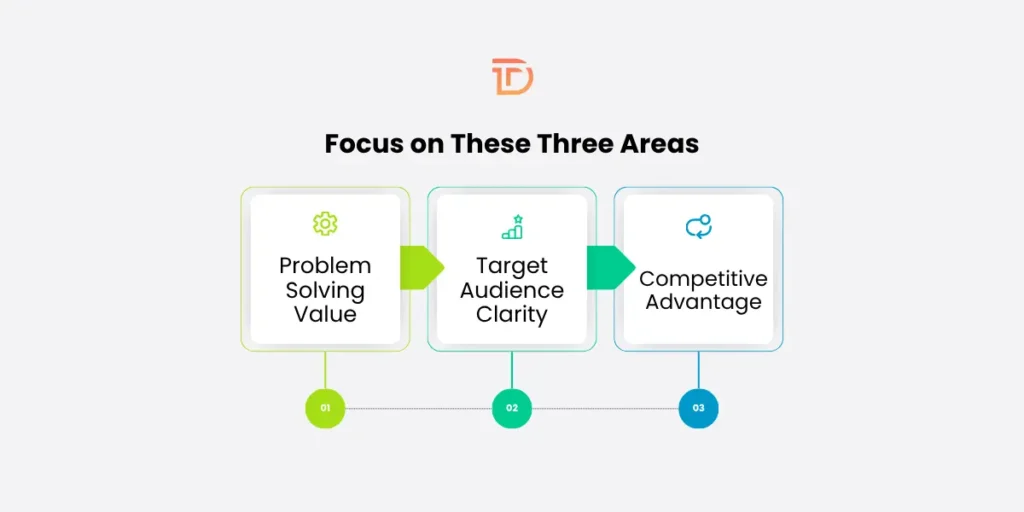
- Problem-solving value
Your product should clearly answer one question: why should someone buy this? If the benefit is not clear, customers usually move to competitors quickly.
- Target audience clarity
Knowing exactly who your buyer is helps you create stronger pricing, messaging, and promotions. A store that speaks to everyone usually connects with no one.
- Competitive advantage
This could be better pricing, faster delivery, stronger customer service, premium quality, or exclusive products. Your difference is what makes customers remember your store.
A strong niche makes every next step easier, from marketing to customer retention.
How Should You Research Your Target Audience and Market Demand?
Research Your Target Audience and Market Demand before investing money into development. A beautiful online store means very little if there is no real customer demand behind it. Market research helps you make smarter decisions and reduces expensive mistakes later.
Start by studying your competitors. Look at what successful businesses in your niche are doing, how they price products, what customers say in reviews, and where they are missing opportunities. This helps you understand both what works and where your store can improve.
Customer pain points are equally important. Read product reviews, social media comments, and forums to understand what people complain about most. If customers are frustrated with slow delivery, poor quality, or weak support in the market, solving that problem can become your biggest strength.
You should also study search demand. SEO tools show what customers are actively searching for online. This gives real proof that your niche has long-term demand and helps avoid entering a low-demand market. Good research saves both time and money by helping you validate before you build.
How Do Different Types of Ecommerce Applications Support Business Goals?
Different types of ecommerce applications help businesses operate according to their customer model. Not every online store works the same way. Some businesses sell directly to customers, while others focus on wholesale selling, marketplaces, or direct-to-consumer brand models.
Choosing the right ecommerce model helps you select the right platform, pricing structure, checkout flow, and customer experience from the beginning.
| Type | Best For |
|---|---|
| B2C | Selling directly to customers |
| B2B | Wholesale and enterprise selling |
| C2C | Marketplace platforms between users |
| D2C | Brands selling directly without intermediaries |
Common ecommerce models include:
- B2C Platforms
These are common for fashion, electronics, beauty, and everyday shopping stores. Fast checkout, strong product pages, and a smooth customer experience matter the most here.
- B2B Platforms
These are used for wholesale, manufacturing, and enterprise selling. They usually need account management, custom pricing, bulk ordering, and approval workflows, which require stronger backend systems.
Choosing the right model early helps avoid expensive platform changes later.
How Can You Select the Best eCommerce Platform?
Select the Best eCommerce Platform carefully because your platform affects speed, scalability, security, and future growth. Choosing the wrong platform can create limitations later when your business starts expanding.
Popular platforms include Shopify, WooCommerce, Magento, and custom-built solutions. Each one works differently depending on your business size, goals, and operational needs.
| Platform | Best For | Flexibility |
|---|---|---|
| Shopify | Fast startup stores | Medium |
| WooCommerce | WordPress users | High |
| Magento | Large enterprise stores | Very High |
| Custom Build | Unique business models | Maximum |
Key decision factors include:
- Budget planning
Some platforms are cheaper and faster to launch, while others require a larger investment but offer stronger long-term control. Your platform should match both current needs and plans.
- Scalability
As your business grows, your store should handle more products, customers, and traffic without needing a complete rebuild.
- Customization needs
If your operations are unique, ready-made platforms may feel limiting. This is where e-commerce app development services help businesses create tailored solutions.
The right platform should support growth, not create future roadblocks.
Why Is It Important to Design a User-Friendly Online Store?
Design a User-Friendly Online Store because customers decide very quickly whether they trust your website. If navigation feels confusing or the website looks outdated, many visitors leave before checking your products.
Good design improves trust, customer satisfaction, and conversion rates. It is not only about appearance. It is about making shopping simple, fast, and comfortable.
Clear navigation helps customers find products, categories, filters, and checkout options without confusion. If users struggle to search for products, they usually leave instead of trying harder.
Mobile-friendly design is equally important because most shopping now happens on smartphones. Your store should work smoothly across mobile devices, tablets, and desktops without broken layouts or slow performance.
Fast loading speed also matters. Slow websites increase bounce rates and reduce sales because customers expect quick results. Better design improves both SEO and the overall shopping experience.
How Should You Add Products with Compelling Descriptions and Images?
Add Products with Compelling Descriptions and Images because product pages directly influence buying decisions. Since customers cannot physically touch products online, your descriptions and visuals must create confidence and clarity. A weak product page creates doubt, while a strong one helps customers make faster buying decisions.
Strong product pages should include:
- Clear product titles
Titles should be simple, searchable, and easy to understand. Avoid confusing names that make products harder to find because clear titles improve both SEO and user experience.
- Detailed descriptions
Explain features, benefits, size, material, usage, and care instructions clearly. Customers want enough information to feel confident before making a payment.
- High-quality images
Use professional photos from multiple angles so customers can clearly understand what they are buying. Product videos can improve trust even more.
- Customer reviews
Reviews add social proof and help new buyers trust your product faster. Real customer feedback often influences decisions more than marketing claims.
Better product pages improve conversions without increasing advertising costs.
Why Must You Set Up Secure Payment Gateways?
Set Up Secure Payment Gateways because payment trust directly affects whether customers complete purchases or leave during checkout. Even if your products are excellent, customers will not buy if the payment process feels unsafe.
Trusted payment providers like Stripe, PayPal, Razorpay, and verified banking partners offer stronger fraud protection and smoother customer experiences. They help reduce payment failures and improve trust.
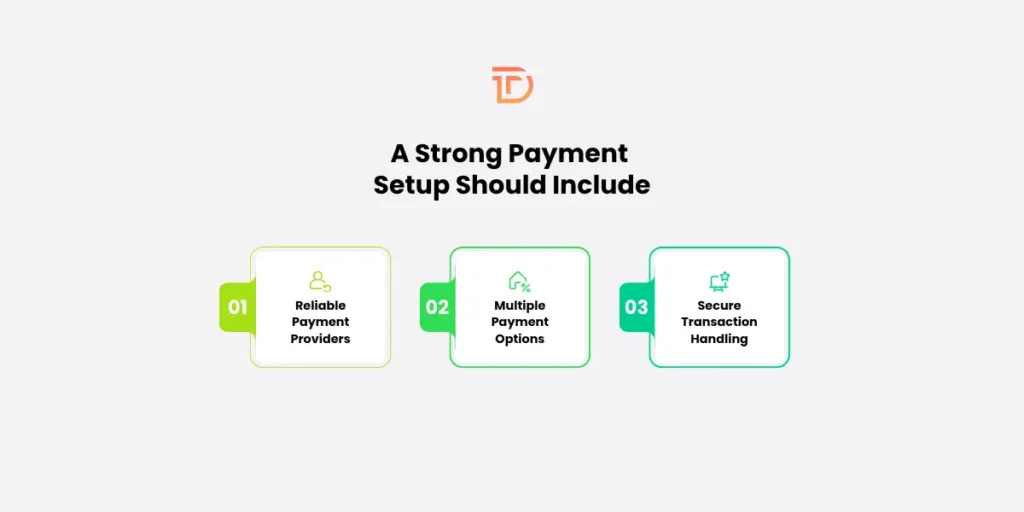
- Reliable payment providers
Using trusted gateways protects both customers and businesses. It also improves transaction success rates and reduces fraud-related issues.
- Multiple payment options
Customers prefer flexibility such as cards, UPI, wallets, and net banking. Limited payment choices often increase cart abandonment during checkout.
- Secure transaction handling
Never store sensitive payment details unnecessarily. Safe processing improves customer trust and protects your business from legal risks.
Secure payments support both conversions and long-term customer loyalty.
How Should You Plan Shipping, Delivery, and Return Policies?
Plan Shipping, Delivery, and Return Policies clearly because customers often check these details before placing an order. Confusing delivery information creates hesitation and can stop purchases even when the product itself is strong.
Customers want realistic delivery timelines, not overpromises. Honest shipping estimates create better satisfaction than fast promises followed by delays. Clear expectations reduce customer complaints and support requests.
Return policies should also be simple and transparent. Buyers feel more confident when they know returns are possible if needed. A complicated return process often reduces trust before the purchase even happens.
Unexpected delivery charges at checkout are one of the biggest reasons for abandoned carts. Shipping costs should be clear from the beginning so customers feel comfortable completing their orders. Good delivery planning improves customer retention, not just order completion.
Why Should You Optimize Your Store for SEO and Mobile Users?
Optimize Your Store for SEO and Mobile Users because long-term traffic should not depend only on paid advertising. Organic search helps bring customers consistently without continuous ad spending.
SEO-friendly product pages should include strong titles, proper keywords, meta descriptions, and clean URLs. This helps search engines understand your pages and improves ranking opportunities.
Mobile speed matters equally because most customers browse and shop through smartphones. Slow mobile pages create frustration and quickly reduce conversions.
Focus on these important areas:
- A) SEO-friendly product pages
- B) Mobile performance
- C) Internal linking
Strong SEO improves visibility, while mobile optimization improves actual sales.
How Can You Launch Your Online Store Successfully?
Launch Your Online Store Successfully by testing everything before customers arrive. Many businesses rush launch day and later face payment failures, broken pages, and customer complaints that damage trust immediately.
A strong first impression matters because customers judge quickly.
| Area | What to Check |
|---|---|
| Payments | Gateway testing and successful transactions |
| Mobile | Full responsive testing |
| Checkout | Cart and order flow |
| SEO | Meta tags and page indexing |
| Support | Contact forms and customer help |
Every page should be tested carefully, especially checkout, payment systems, and mobile responsiveness. Even small mistakes can create major trust problems and hurt customer confidence. Launch day should feel controlled, not rushed. Strong preparation creates a smoother customer experience from the beginning.
Why Should You Promote Your Store with Digital Marketing Strategies?
Promote Your Store with Digital Marketing Strategies because even the best online store cannot grow without visibility. Customers must first discover your business before they can trust or buy from it.
SEO content marketing helps bring long-term organic traffic through blogs, guides, and keyword-focused pages. This improves search visibility and supports authority building over time.
Social media marketing on platforms like Instagram, Facebook, LinkedIn, and Pinterest helps businesses connect with customers where they already spend time daily. It improves awareness and customer engagement.
Email marketing is also powerful for abandoned cart recovery, promotions, and repeat purchases. Existing customers are often easier to convert than new visitors, so retention matters just as much as acquisition. Marketing should support both customer growth and customer loyalty.
How Can You Track Performance and Improve Continuously?
Track Performance and Improve Continuously because launching the store is only the beginning. Real growth happens when businesses study what is working and improve weak areas regularly. Conversion rate shows how many visitors actually complete purchases. If traffic is high but sales are low, the problem may be pricing, product pages, or checkout flow.
Cart abandonment is another important metric. If too many users leave during checkout, payment issues, hidden charges, or weak trust signals may be the reason.
Key performance metrics include:
- Conversion rate: This helps you understand how effectively your store turns visitors into paying customers.
- Cart abandonment: This reveals where customers drop off during the buying process and what may need improvement.
- Customer retention: Repeat customers are often more valuable than new buyers. Tracking retention helps improve loyalty strategies and long-term revenue.
Growth comes from continuous improvement, not one-time launch success.
Why Choose Dreamer Technoland for eCommerce Development?
Building an online store is not just about design. It requires secure development, scalable architecture, strong payment systems, mobile optimization, and long-term technical support. This is why choosing the right development partner matters.
Dreamer Technoland helps startups, growing brands, and enterprises build secure and growth-focused eCommerce platforms based on real business goals. As an experienced ecommerce app development company, the focus remains on performance, scalability, strong integrations, and user-friendly experiences.
From platform selection and payment gateway setup to custom development and ongoing support, the goal is to create online stores that are ready for both launch and long-term business growth. A strong technology partner helps businesses avoid expensive mistakes and build smarter from the beginning.
Final Thoughts
Starting an online store today is not just about building a website. It is about creating a complete shopping experience that customers trust and return to. From choosing the right niche and platform to setting up secure payments, strong SEO, and smooth delivery systems, every step plays an important role in long-term success.
Businesses that plan carefully from the beginning grow faster and avoid expensive mistakes later. A well-built online store improves customer reach, increases revenue opportunities, and creates stronger brand value in a highly competitive market. With the right strategy, technology, and development partner, your online store can become much more than a sales channel, it can become a powerful engine for long-term business growth.
FAQs
Q. What is the best platform to start an online store?
A. It depends on your business size and goals. Shopify works well for quick launches, WooCommerce offers flexibility, and custom solutions are better for unique business models.
Q. How much does it cost to start an online store?
A. The cost depends on platform choice, design complexity, features, and integrations. B2B eCommerce platform development cost is usually higher because enterprise stores need advanced workflows and account management.
Q. How to Secure Your E-Commerce Website from Cyber Threats?
A. To secure your e-commerce website from cyber threats, businesses should make security a part of daily operations by using SSL encryption, strong authentication, regular updates, backups, and continuous monitoring to prevent attacks before they happen.
Q. How to Increase Your E-Store’s Revenue?
A. Better product pages, faster checkout, strong marketing, customer retention strategies, and improved mobile experience all help increase E-Store’s revenue over time.
Q. How to Choose the Right eCommerce Development Company?
A. Choose an eCommerce development company with proven experience, a strong portfolio, platform expertise, transparent communication, and reliable support to ensure long-term business growth.